
“Nothing will benefit human health and increase the chances for survival of life on Earth as much as the evolution to a vegetarian diet”
Albert Einstein
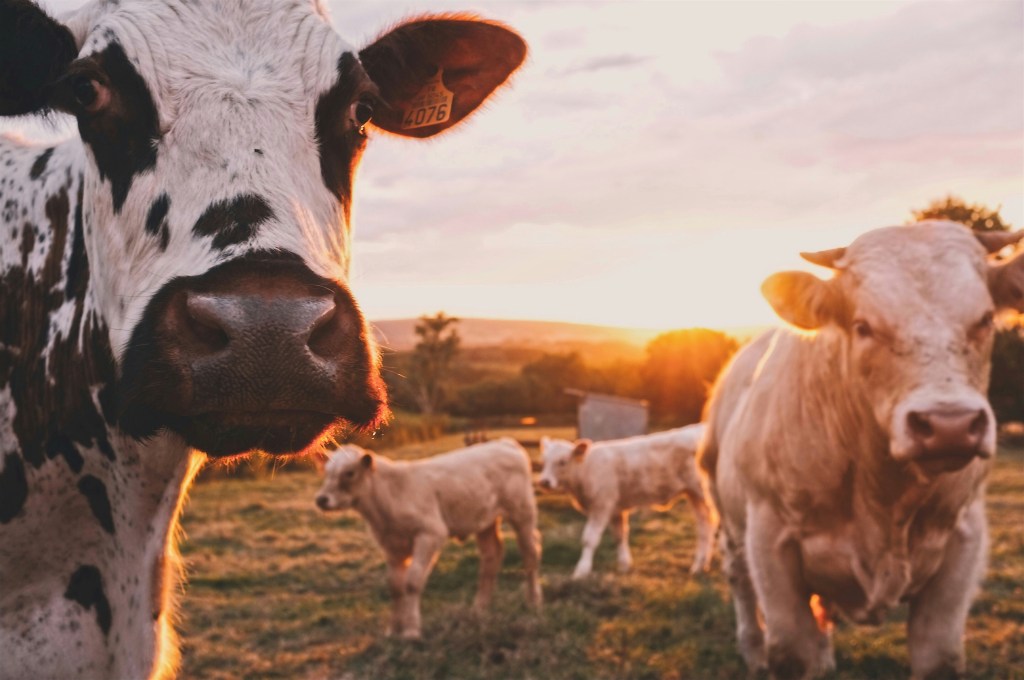
So we’ve got a pretty meaty global problem, something people are slowly but surely waking up and smelling the bacon about (starting as I mean to go on with the puns). That being said, the mainstream narrative is nowhere near where it needs to be to drive the large-scale dietary shift needed – that being away from the vast prevalence of meat on our plates, and towards alternative protein options able to meat global consumption demands. McDonalds, it’s time for a McChange.
Firstly, why is it a problem? Well, agriculture emits between 21-27% global greenhouse gas emissions, and within this 18% of that is attributed to livestock agriculture specifically (for direct meat consumption or animal byproducts). And we all know GHG emissions are the driving force behind climate change, alongside of course the fact that our natural carbon sinks (things that are effectively sponges of carbon in absorbing it from the atmosphere) are being given over for other land uses, especially….you guessed it, agriculture. Livestock use 27% of total land for pastures alone (Our world in Data), that doesn’t even include all the cropland taken up to feed them as well. And, despite our livestock production growth vastly outweighing our population growth (there were 8 times as many livestock to humans in the world as of 2008, this will be more now) malnutrition is rising, including both obesity and starvation. The global food system is one of the most wasteful systems out there too, on average ⅓ of food produced is never eaten.
So herein is the bony, crux of it all – we are producing more meat than ever, demanding more finite space and natural resources, but reducing our ability to feed the planet in a healthy, sustainable and equitable way – equitable given those experiencing famines right now live in the Global South. I won’t really venture down animal welfare or biodiversity paths in this piece given these are still pretty divisive/ subjective and I want to remain as close to empirical, non-ideological facts as possible. But just whilst we are on the topic, with the scaling up and out of livestock agriculture at the astronomical rate we’ve observed (otherwise called ‘intensive’ farming) conditions for livestock has worsened: the farming industry have adopted concentrated animal feeding operations (CAFOs) to maximise outputs and reduce inputs (Henning, 2011), characterised by facilities of high confinement, minimal cattle spacing and compromising sanitation levels (we’ll come back to this later but as to why this is an ‘us’ problem, not just an animal one). Backed by academics far superior than me, meat, alongside many other foods, is a political choice. Each bite is an expression of people’s cultures, ideologies and stances on these social and planetary problems, whether conscious or subconscious in swallowing that mouthful.
Secondly, why is change so slow, knowing what we know now about the issues, both environmental and social, caused by our meat consumption patterns? Well, there’s a charcuterie board’s worth of factors at play, but by far the biggest is agricultural actor’s dominant political sway, fueled by the heavily monopolised thus powerful ecosystem of meat food manufacturers and producers. And second (hoping to phrase this as best I can) – consumer reluctance. Let me be clear in this last one, food choice motivations are linked to a plethora of things, not just preference but also affordability, convenience or availability, religious/ cultural practices and more. So I don’t want the impression here to be that people aren’t making alternative meat choices purely because they don’t want to change and, unequivocally, we are seeing a green transition in the Western world with rising vegetarian, flexitarian and vegan diets,on grounds of greater sustainability as well as health benefits (for example, did you know processed meats have been classified as carcinogenic by food scientists, and red meats as ‘probably’ carcinogenic? – Penn, 2018).
But, to be blunt, it’s not enough. Statistics state that, in order to be under even 2 degrees warming target, we must reduce meat consumption by 70% by 2030 (Willet, 2019). Add to this that projections for meat demand are set to rise by 14% in this decade alone compared to 2018-2020 average (FAO, 2022). But how can we reverse this, and fast? This is what I’ll explore in the below, evaluating each intervention for its potential for change along the way. Finally, I appreciate that my tone is a bit harder than others in this post about the ugly meat truth laid bare and I respect that every person is entitled to choose how they fuel their bodies. I just hope this motivates you to think differently about your food choices – because their impact is not just on you, they are much much more.
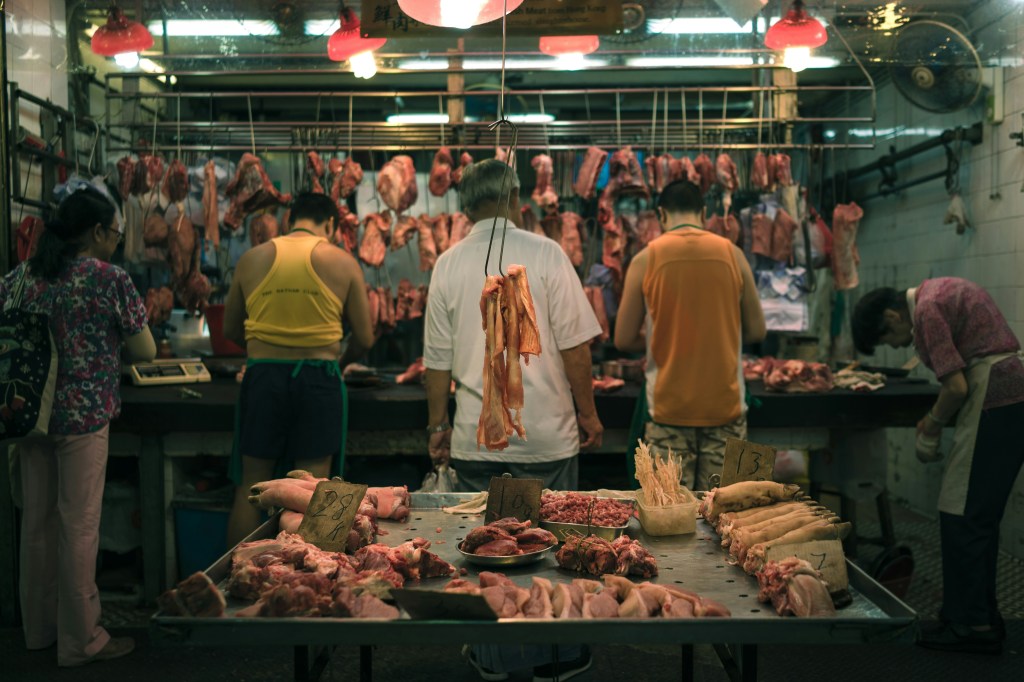
Optional starter course – feel free to skip to main – Meat types currently on the market
Traditional vegan meat replacements. Tofu, seitan, mushrooms, jackfruit are commonly consumed examples . Main disadvantage is that the meat profile (e.g. texture, taste, food preparation) is not tantamount to conventional meat
Traditional vegetarian meat replacements. In addition to plant-based ingredients, they will also contain animal derived ingredients, for example dairy products, gelatin or honey. They will have reduced similarity to meat but require livestock, not for slaughter but for by-products.
Insect based meat replacements. Main examples on the market include mealworms and crickets, primarily consumed in Asian markets. These products are currently used for livestock feed predominantly as these are less palatable for human consumption. Their principal benefit is a high average protein output and energy conversion in comparison to meat.
Novel vegan meat replacements. Entered the market in 2010s, with funding overall total of $900Bn as of 2018. Currently deemed much more palatable that 3. and 5. From consumer studies. The meat profile is much closer to meat than other vegan meat alternatives.
Lab grown meat. Cells extracted from living animals and proliferated through a growth media, before finally scaffolding for muscle and tissue growth. Limited global commercial approval to sell to consumer or business (Singapore, 2 states in the US, and just this year approved within Dog food sold in the UK).
Levers of change
The governance role
As with most things, to bring about change you could go harder with your governance approach in order to drive the desired behaviours, something that, to date, governments globally have not been active in any meat reduction interventions, perhaps down to a fear of the reaction from economically powerful agricultural actors. Bonnet describes this as government’s ‘cycle of inertia: they fear the repercussions of intervention, and the public may underestimate the problem because of the lack of government intervention’. In other words, its a bit ‘chicken and egg’…So what if government’s boldy broke out from that cycle? What instruments could they play on to reduce meat consumption? Interestingly, Bonnett suggests it is possibly a better tactic to focus on the demand-side (aka consumer) change which will then force supply-side change, as opposed to the other way round (again, supply-side strongholds of trade and political agents internationally might be enacted if regulations were targeted at them, with a probable result of diluted policies with not much meat on the bone). There are broadly 3 demand-side levers to pull here:
Fiscal.
Yep, let’s get fiscal, because its a big motivator for consumer choice, reflected by countless willingness-to-pay (WTP) studies globally. This could be done through taxation, not directly towards meat but rather as a calculation of a food product’s characteristics – for example its GHG emissions or energy consumption, the higher the emissions or energy usage, the higher the tax, just as has been discussed with carbon taxes.
Interestingly, Denmark applied this concept in 2011 (Bonnet, 2020) but for taxation to high saturated fat food products (of which processed meat is, of course, high in). Although it lead to a 10-15% reduction in sat fat consumption, it was considered controversial due to the food production changes it was demanding and there were criticisms of ‘international leakages’ to the policy i.e. that purchases for the same products would be made to foreign suppliers instead that did not have the same taxation laws. The tax was abandoned in 2013.
Informational.
These instruments are not standalones and, I’d argue, any of the others would require this one ‘in their band’ so as to raise consciousness of consumers to the big meat problem. It thereby mitigates the risk of large public backlash (something democratically elected governments fear) and has strong precedence for the impact of educational campaigns leading to meat reduction.
Within this, is a need to focus on what matters most to consumers, which is why WTP studies are important here so that information can be targeted on certain attributes. Higher up the list is (as said) price, but also nutritional value/ health and meat product origins, followed by animal welfare standards. Unfortunately, environmental attributes like land and water footprinting rank lowest, so it is best to hang informational campaigns around nutrition and health, with the ‘add on’ to that comms meal deal being the environment (Bonnet, 2020). Sad, but them’s the facts.
Behavioural.
There is a growing scientific interest in the field of behavioural science, spearheaded by the popular ‘nudge theory’ in new habit formation. Governments could drive behavioural pattern shifts through innovative campaigns, perhaps linked to financial incentives, with evidence of greater effect being those more locally lead (think a la park run here). These shifts are likely to lead to long lasting transformation if they start small and then expand, again linked to habit theories. A great example of this is Veganuary, with the expectation that this commitment is only a month, but will likely drive longer term behavioural shifts. You can also think about ‘Meatless Mondays’ too, introducing incremental change. Further still to increasing behavioural intervention efficiency is peer pressure. Publically committing to things like ‘lent’ and Veganuary increase chances of a person sticking with it, the shame of sharing their failure as a real driver.
Side note, young people tend to have more flexibility to adopt new behaviours. Food preferences are defined by our childhoods, but due to greater neural ‘plasticity’, the young are pretty good with change. Again, something for governments to think about in how they target their efforts, potentially the young go first and then drive that change up the age ladder.
Increase prevalence of alternatives
As shown above, the number of meat replacement products in the market are growing at a rapid rate, fuelled by growing international investments from private and public organisations (Choudhury, 2020). As a result, growth projections are pretty surprising for how unconventional meat type markets will expand, expected to rise and dominate to 65% meat market share by 2040 (Gerthardt, 2019). The latest entrant is lab grown meat, and currently consumers are skeptical, largely as a result of unfamiliarity which is expected as it’s not yet available to most countries (Oliveira Padilha, 2022) but consumers display high willingness to try it. You can see this with how products like ‘Quorn’ have gone from strength to strength, mainly through the producers’ determination to replicate ‘as close to meat as possible’ consumer experience in texture, taste and food preparation so as to reduce the behaviour change, as well as sheer prevalence of Quorn in supermarket shelves and on ad campaigns. Therefore they are easy to get and easy to transition to.
As mentioned before though, we’ve got to pause on pricing here, its not enough just to have these products available, they’ve also got to be economically accessible, the definition of food access (Ogot, 2021). There are concerns with some of these alternatives that their price points are just too high for average consumers to reach (definitely the case with Lab grown meat!), especially given the high presence meat has on plates currently. My opinion is this is the case for how most products make their way to the choice for mass market, they must of course meet a need but they will win out on price (Harford, 2016), which leads me to…
Reducing meat alternatives price through reallocating subsidies
A smooth segway indeed. Global subsidies for meat are astonishing at the minute but, admittedly, aren’t intentionally designed in that way. How is that? Well, overall agricultural subsidies from governments globally stands at ~$200bn annually, largely without conditions attached (Springmann, 2022). Practically, this means ⅕ supports meat thus lowering its price to consumer. The potential to add conditions to these subsidies in support of LGM, indeed alternate protein sources more generally, is an option for policymakers. In other words, giving more money to alternatives can therefore reduce their overall cost to consumer and will, inadvertantly, redirect some meat funds that will raise their prices. The latter is, of course, deeply controversial, although its likely this impact will be a gradual one and could be made less severe through how this subsidy shift is implemented. Final point is the food security risks without having alternate protein sources available makes the global food system more susceptible to shocks which could stimulate rising prices of conventional meat (Stephens, 2018). Think ‘foot and mouth’ disease type of vibe – we can mitigate against a risk of meat price surges from these events by putting our energy into having a diverse protein pot to play with.
On grounds of public health
We’ve had a few touches on this above, that consumer attitudes place importance on different attributes, of which health and nutrition places highly (Bonnet, 2020) and that certain meats are linked to cancer risks (Penn, 2018). However, what we haven’t covered are some of the wider, less tangible health risks large-scale meat production and consumption breed, all of which have big beefy consequences. Firstly, increased livestock agricultural intensiveness has led to mainstream use of antibiotics and growth hormones to reduce risk of animals getting ill and to increase cost efficiencies by catalysing their time from birth to ready for slaughter (sorry, couldn’t think of another way of saying that). But, the trade-off for human health involves a rise of antibiotic-resistant bacteria, an inherent risk should these be encountered. What this means is that any ‘nasty’ microbes that grow within the cattle can grow to resist anitbiotics because of the medicines and hormones used by farmers. If we consume or come into contact with these, treatments may be ineffective.
Finally, with increased meat consumption and deteriorating sanitation from intensive farming, threat of zoonoses also increases, defined as diseases transmitted through animal-human interaction (WHO, 2020). The serious implications need not have a clearer evidence base than COVID-19 really… but more broadly zoonoses result in global estimates of a billion cases of human illnesses and millions of deaths annually (WHO, 2014). Therefore, for both this risk and the above, there is enough at ‘steak’ that government departments of health should be getting involved in regulating meat producers – if not only in reducing meat being produced, but how it is being produced.
Wrapping up…
So, we’ve carved out the inherent problem of meat’s prevalence in our global diets and why, despite knowing this, we’ve been slow to change our meaty ways. I know some of you will think we’re on the other side of this and that I’m potentially ‘overegging’ things (i.e. that recent rises of vegan and vegetarianism are promising trends that mark an organic tailing off of our meat obsession). On this I’d love to agree, but even though projections for alternative protein sources exhibit strong growth in the future, that future isn’t ‘near’ enough when livestock agriculture represents almost ⅕ of global GHG emissions right now. Sustainability discourse to date has been dominated by other focuses such as energy, transport, waste (plastics mainly), but there is very little conversation being had about agriculture, and in particular, the role meat plays in climate change.
Therefore, by pulling a combination of the above levers this could drive consumer changes away from meat, which would then of course impact upstream production of meat. My study of this left me feeling like governments have a critical role to play in this shift, and although food choices are a human right, the wider incentives framework surrounding meat should favour its alternatives through things like pricing, education and diverse, tempting alternatives. Unfortunately, political will (surprise surprise) is lacking. It will take bold leaders driven by what is right and not what is easy to implement some of the interventions above. And they must do that in the face of longstanding, economically powerful agricultural giants with an eye on this needing to be a collective, international act, not a national one to avoid leakages or policies being blocked by these giants pulling strings across borders. What I’d like to end with though is the agency and power of the consumer here too. We, collectively, are economically powerful too, and irrespective of this ‘cycle of intertia’ between governments and large meat production actors, we can model the change we need to see around reducing meat’s presence by doing exactly that in our day to day choices. Those habits, those choices, have impacts – choosing the meat ‘alternative’ may just be the secret ingredient in our sustainable food futures.
Sources:
- Bonnet, C., Z. Bouamra-Mechemache, V. Réquillart and N. Treich ‘Regulating meat consumption to improve health, the environment and animal welfare’, Food Policy 97 2020, p.101847.
- Choudhury, D., Wei Tseng, T., Swartz, E., ‘The Business of Cultured Meat’, Trends in Biotechnology (2020). Available here
- FAO, ‘Agricultural outlook 2021-2030’, OECD (2021). Available here
- Gerhardt., C., ‘How will cultured meat and meat alternatives disrupt the agricultural and food industry?’, ATKearney (2019). Available here:
- Harford, T., ‘Fifty things that made the modern economy’, Brown Little (2016).
- Henning, B., ‘Standing in Livestock’s ‘‘Long Shadow’’: The Ethics of Eating Meat on a Small Planet’, Ethics and the Environment, 2011. Available here
- Oliveira Padilha, L.G., Malek, L., Umberger, W.J., ‘Consumers’ attitudes towards lab-grown meat, conventionally raised meat and plant-based protein alternatives’, Food Quality and Preference (99) 2022. Available at: Penn, J., ‘”Cultured Meat”: Lab-Grown Beef and Regulating the Future Meat Market’, UCLA Journal of Environmental Law and Policy, 36(1) 2018. Available here
- Ogot, N., ‘Metrics for identifying food security status’, Food Security and Nutrition (2021). Available here
- Our World in Data, ‘Global Meat Consumption 2000 to 2050’, Available here
- Penn, J., ‘”Cultured Meat”: Lab-Grown Beef and Regulating the Future Meat Market’, UCLA Journal of Environmental Law and Policy, 36(1) 2018. Available here
- Springmann, M., ‘Meat and dairy gobble up farming subsidies worldwide; it’s bad for your health and the planet’, Oxford Martin School (2022). Available here
- Stephens, N., ‘Bringing cultured meat to market: Technical, socio-political, and regulatory challenges in cellular agriculture’, Trends Food Sci Technology (2018). Available here
- WHO, ‘Zoonoses’, 2020. Available here
- WHO, ‘Zoonotic disease: emerging public health threats in the Region’, 2014. Available here
- Willis, W., ‘Food in the Anthropocene: the EAT–Lancet Commission on healthy diets from sustainable food systems’, Lancet (2019). Available here
 The Colour Green
Leave a comment