
Carbon is often painted as the baddie in the climate change story, but it is an essential element cycling to and from our Earth, enabling temperature regulation, energy creation and food production. This cycling or equilibrium has helped Earth stay relatively stable. Carbon sinks lock carbon in, with the majority of carbon captured in Earth’s rocks (about 65,500 BILLION metric tons), alongside oceans, living organisms, soils and, of course, fossil fuels. Blue carbon (i.e. carbon captured by the oceans) are hugely effective stores, such as sea grasses, mangroves and diatoms which absorb carbon at a rapid rate and produce oxygen through photosynthesis.
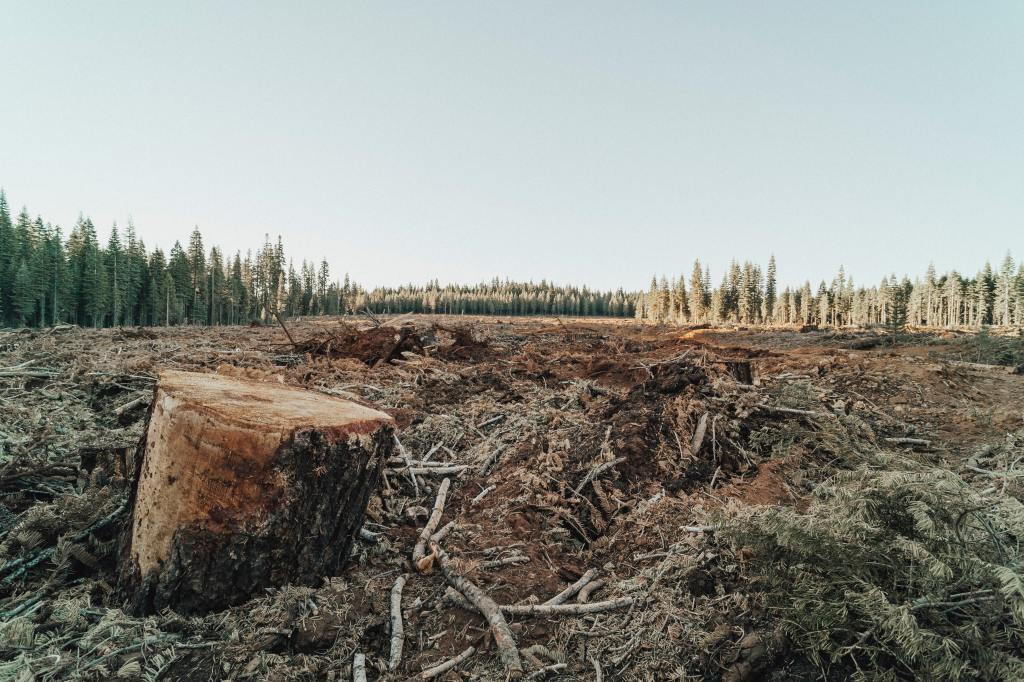
When we burn fossil fuels we release previously stored carbon from decayed organisms out to the atmosphere. Similarly, when humans engage in deforestation this not only reduces the amount of carbon capture occurring naturally, it also releases carbon stored through these, particularly in the soil contents. For example mangroves have been found to store 6.4 billion carbon tons globally in their soils (yay mangroves!) but due to their deforestation for land clearing or human community practices (medicines, cooking etc.) they released 122 million tons between 2000-2015 (maybe I celebrated too soon…)
The slow carbon cycle
True to its name, carbon is naturally transferred across rocks, oceans, soil and the atmosphere through a series of reactions over a 100-200 million year period, also known as transferring across reservoirs.
Rocks & soil. This is initiated by rainfall, mildly acidic as it combines with carbon in the atmosphere which then slowly dissolves and releases ions that are carried to the ocean through river flow. As dead organisms sink to the ocean floor, they are layered and compressed together forming rocks – nice! Carbon rock stores are also organically made through dead animal matter being cemented in mud, combined with heat and temperature they form into sedimentary rock.
Atmosphere. Carbon is released into the air through both volcanic and tectonic activity. Volcanoes emit between 130-380 million metric tonnes of CO2 each year as a result of gases being released when they erupt. Supervolcanoes will emit vastly more CO2 but since their eruptions are pretty darn infrequent (on average every 100,000-200,000 years) volcanic emissions are a fraction of CO2 emissions caused by human activity – in fact we produce at least the same amount as a supervolcano annually. CO2 is also released when tectonic plates collide and the rock melts under the pressure, emitting the gas in the extreme temperatures.
Oceans. Our oceans are natural dissolvers of CO2 from the atmosphere as well as ventilators, with carbon evaporating from its surface. This used to be in equilibrium of in-out up until the increase in carbon in the atmosphere. Therefore oceans are now absorbing more carbon than they are emitting, making them more acidic and contributing to the growing issue of reduced oxygen levels (in certain regions there is such little oxygen that they become uninhabitable, known as ‘dead zones’).
The fast carbon cycle
This accelerated cycle is largely through the biosphere, or through the natural lifespan of living things. Many organic molecules contain carbon atoms which form strong bonds to other carbon atoms, forming chains that hold a lot of energy. These are central to living cells, such as DNA, and as they break apart they release energy which power the living organism.
Our plant photosynthesising friends are crucial to this fast cycle, absorbing carbon in the atmosphere and producing food, sugars, and oxygen. This carbon is later released back into the atmosphere through the plant or phytoplankton decaying, a reaction which emits water, energy and CO2. This makes me think about a circle of life that extends across not just the organism itself, but the carbon atom too.
Wrapping up…
In both cycles, there are a series of harmonious exchanges, or I like to think as ‘equal trades’ the Earth and the atmosphere make when it comes to the carbon commodity. However, with humans on the trade floor this has now dramatically increasing the amount of carbon in the atmosphere , these trades have lost their balance – too much supply and definitely little demand in the current climate market.
References
- Anon. What do volcanoes have to do with climate change? (no date) Unfccc.int. Available at: https://unfccc.int/process-and-meetings/the-paris-agreement/nationally-determined-contributions-ndcs (Accessed: October 19, 2022).
- Anon. ‘Carbon storage & Sequestration’, Mapping Ocean Wealth, no date, Available at: https://oceanwealth.org/ecosystem-services/carbon/#:~:text=Mangrove%20Soil%20Carbon&text=The%20study%20found%20that%20mangrove,atmosphere%20between%202000%20and%202015.
- NOAA. ‘Historical Maps and Charts audio podcast’, National Ocean Service website, https://oceanservice.noaa.gov/podcast/july17/nop08-historical-maps-charts.html, (Accessed on 19/10/22).
- Riebeek, H. (2011) The carbon cycle, NASA. NASA. Available at: https://earthobservatory.nasa.gov/features/CarbonCycle (Accessed: October 20, 2022).
- Starr, D. (2022) “how can oceans help us capture carbon?,” The Climate Question. BBC World Service.
- Starr, D. (2022) “where have all the mangroves gone?,” The Climate Question. BBC World Service.

 The Colour Green
Leave a comment